
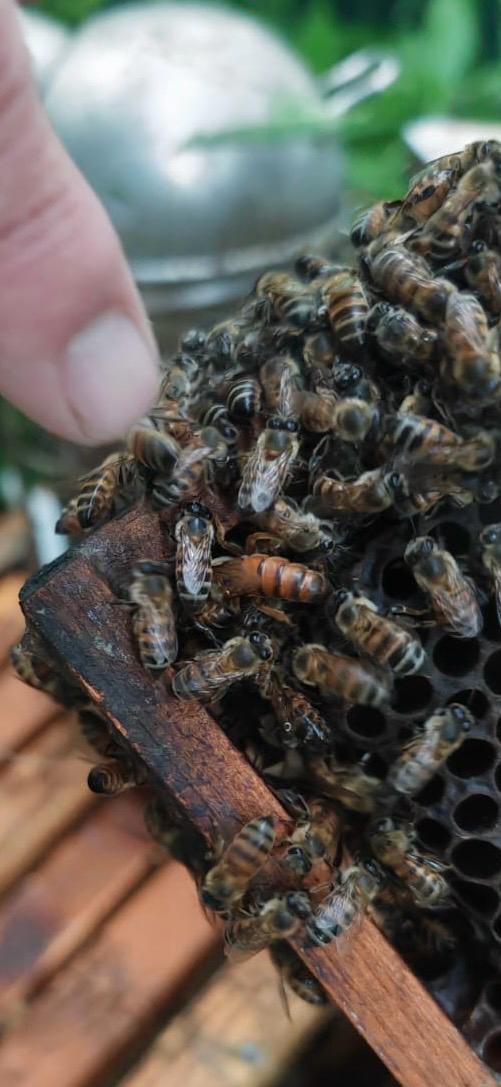
In Johannesburg’s northern suburbs, a quiet yet vital workforce has been hard at work for six years—eight honeybee hives nestled within Growthpoint Properties’ Woodlands Office Park in Woodmead. These industrious pollinators are not only contributing to local biodiversity but are also in the spotlight for World Bee Day 2025, reinforcing the importance of bees in agrifood systems and global ecosystems.
 A Natural Oasis in the City
The 43-hectare Woodlands Office Park is a remarkable blend of business and nature, featuring waterscapes, roaming buck, and diverse birdlife. Now, its resident bee colonies are playing a crucial role in pollinator conservation—a small yet meaningful step toward addressing South Africa’s declining bee populations.
Supporting Food Security and Sustainable Agriculture
Bees are responsible for pollinating up to 80% of the foods we eat, making them integral to food security. The hives at Woodlands contribute to broader pollination efforts, including macadamia orchards in Barberton, where their presence helps boost crop yields by up to 70%.
With South Africa requiring an estimated 312,000 bee colonies to meet pollination demands for macadamias alone—not to mention apples, avocados, and berries—the deficit is alarming. Secure forage sites like Woodlands provide safe havens for bees during off-season periods when farms undergo pesticide treatments, ensuring continued ecological balance.
Growthpoint’s Role in Conservation
Growthpoint’s commitment to sustainability extends to its support for pollinators. With pesticide-free apiaries, abundant forage options from acacia, fever trees, and select eucalyptus species, the office park ensures a thriving habitat for these essential pollinators.
Each hive produces up to 30kg of honey annually, though unpredictable weather has recently affected harvests. “Every small conservation effort matters,” notes Martjie Cloete, Growthpoint Properties Sustainability Manager – Projects. “The Woodlands bee project shows that even in urban environments, nature can flourish when nurtured responsibly.”